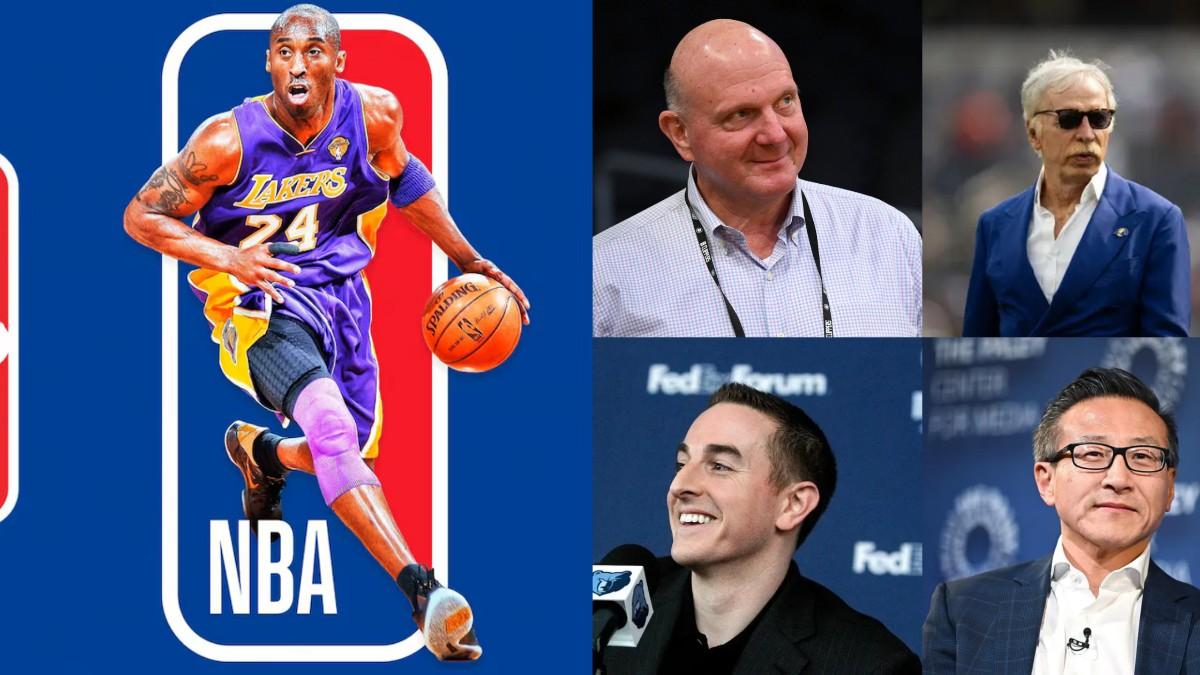
Steve Ballmer is the richest NBA owner in 2026, with an estimated net worth of $143 billion. The former Microsoft CEO bought the Los Angeles Clippers for $2 billion in 2014 and has since invested billions more into the franchise, including the construction of the $2 billion Intuit Dome.
NBA ownership has transformed into one of the most valuable investments in global sports. The average NBA franchise is now worth $5.4 billion, per Forbes. Owners on this list built their fortunes across tech, real estate, private equity, casino gaming, and hospitality before pouring capital into professional basketball.
Here’s the full ranking of the top 10 richest NBA owners in 2026, based on the latest publicly available net worth estimates from Forbes, Bloomberg, and other financial trackers.
Top 10 Richest NBA Owners at a Glance
| Rank | Owner | NBA Team | Est. Net Worth | Team Value (2026) |
|---|---|---|---|---|
| 1 | Steve Ballmer | Los Angeles Clippers | $143 billion | $6.9 billion |
| 2 | Miriam Adelson & Patrick Dumont | Dallas Mavericks | $35 billion | $5.2 billion |
| 3 | Dan Gilbert | Cleveland Cavaliers | $32.7 billion | $5.5 billion |
| 4 | Robert J. Pera | Memphis Grizzlies | $29.6 billion | $3.75 billion |
| 5 | Stan Kroenke | Denver Nuggets | $21.3 billion | $5.2 billion |
| 6 | Joseph Tsai | Brooklyn Nets | $13.7 billion | $6 billion |
| 7 | Tony Ressler | Atlanta Hawks | $13.5 billion | $4.9 billion |
| 8 | Josh Harris | Philadelphia 76ers | $11.3 billion | $6.1 billion |
| 9 | Tilman Fertitta | Houston Rockets | $10.6 billion | $6.35 billion |
| 10 | Micky Arison | Miami Heat | $10.1 billion | $6.05 billion |
Sources: Forbes, Bloomberg Billionaires Index, CNBC NBA Team Valuations (2026). Net worth figures are estimates and fluctuate with market conditions.
1. Steve Ballmer – Los Angeles Clippers
Estimated net worth: $143 billion
Steve Ballmer’s fortune dwarfs every other NBA owner’s by a staggering margin. His wealth comes almost entirely from his roughly 4% stake in Microsoft, where he served as CEO from 2000 to 2014. He joined the company as its 30th employee in 1980 and never founded it, making him a rare case of a non-founder reaching centi-billionaire status through employee stock.
Ballmer purchased the Clippers for $2 billion from Donald Sterling in 2014. That looked like a steep price at the time. It doesn’t anymore.
Key Highlights
Under Ballmer’s ownership, the Clippers have become a vastly more competitive franchise. The biggest investment? The Intuit Dome, which opened in August 2024 in Inglewood, California. The $2 billion arena gave the Clippers their own home after decades as tenants at the Lakers’ arena. That move alone boosted team revenue by 40% in its first season, pushing the franchise valuation to $6.9 billion per CNBC’s 2026 rankings.
I’ve watched plenty of owners treat their teams like side projects. Ballmer is the opposite. The guy is a courtside fixture, regularly out-cheering the entire arena. He also founded the Ballmer Group, a philanthropic organization focused on economic mobility for children and families in the U.S. His net worth has been estimated as high as $151 billion by Bloomberg’s April 2026 index, depending on Microsoft’s share price on any given day.
2. Miriam Adelson & Patrick Dumont – Dallas Mavericks
Estimated net worth: $35 billion
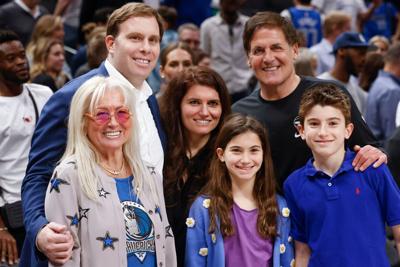
Miriam Adelson, a physician and philanthropist, inherited control of the Las Vegas Sands casino empire after her husband Sheldon Adelson passed away in January 2021. Patrick Dumont, her son-in-law, serves as CEO of Las Vegas Sands. Together, the Adelson-Dumont family purchased a 69% controlling stake in the Dallas Mavericks from Mark Cuban for $3.5 billion in December 2023.
Key Highlights
The Mavericks’ acquisition signaled a new era in NBA ownership, directly linking casino and gaming money to a major sports franchise. Adelson’s family has explored plans for a massive entertainment complex in downtown Dallas, potentially anchored by an arena and a casino. Las Vegas Sands operates casino resorts in Singapore and Macao, generating $11.3 billion in revenue in 2024.
Beyond basketball, Adelson is one of the most prominent political donors in the United States and a major philanthropist in healthcare and addiction research. She co-founded addiction treatment clinics in both Israel and the U.S. Her net worth fluctuates with the Las Vegas Sands stock price but has been estimated between $33 billion and $40 billion across sources in 2026.
3. Dan Gilbert – Cleveland Cavaliers
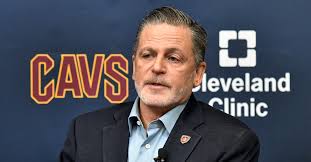
Estimated net worth: $32.7 billion
Dan Gilbert co-founded Rocket Mortgage (formerly Quicken Loans) and turned it into the largest mortgage lender in the United States. He bought the Cleveland Cavaliers for $375 million in January 2005. That was a record price for an NBA team at the time. Today, the franchise is worth roughly $5.5 billion.
Key Highlights
Gilbert’s tenure includes the Cavaliers’ first championship in 2016, when LeBron James delivered on his promise to bring a title to Cleveland. That alone cemented Gilbert’s legacy as one of the most successful NBA owners of his generation.
Off the court, Gilbert has invested over $7 billion into revitalizing downtown Detroit through his real estate company, Bedrock. The city’s transformation has been one of the largest urban redevelopment projects in U.S. history. He also founded Rock Ventures, which operates a portfolio of more than 100 companies. A stroke in 2019 sidelined him temporarily, but Gilbert returned to active leadership of his business empire.
4. Robert J. Pera – Memphis Grizzlies
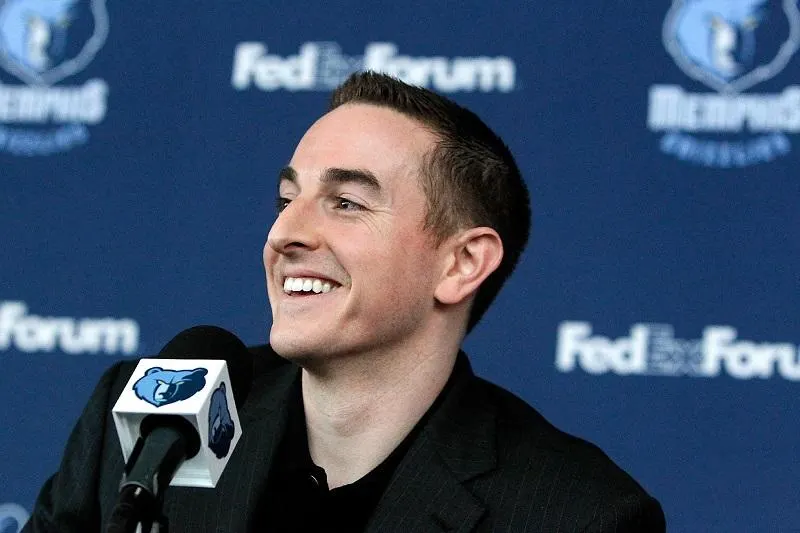
Estimated net worth: $29.6 billion
Robert Pera is the founder and CEO of Ubiquiti Inc., a wireless networking technology company. He founded the company in 2005 after a stint at Apple and took it public in 2011. Pera still owns over 90% of Ubiquiti’s shares, which forms the foundation of his massive net worth.
Pera bought the Grizzlies from Michael Heisley for $377 million in 2012. He was just 34 years old at the time, making him one of the youngest NBA owners in league history.
Key Highlights
What stands out about Pera is how quiet he is. No courtside theatrics. No media appearances. He runs the Grizzlies with the same low-profile approach he brings to Ubiquiti. The franchise thrived during the “Grit and Grind” era and has developed a strong identity as a small-market competitor.
The Grizzlies remain the least valuable NBA franchise at $3.75 billion per CNBC’s 2026 valuations. But Pera’s personal wealth makes him the fourth-richest owner in the league. That gap between personal fortune and franchise value is the widest in the NBA.
5. Stan Kroenke – Denver Nuggets
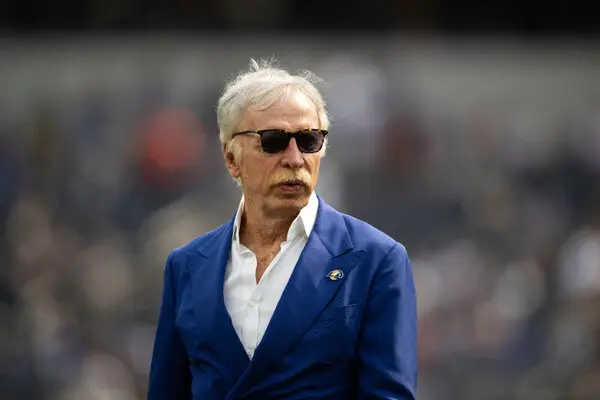
Estimated net worth: $21.3 billion
Stan Kroenke built his fortune through Kroenke Group, a real estate development firm he founded in 1983 that specializes in shopping centers and apartment complexes. He married Ann Walton, an heir to the Walmart fortune, though the bulk of his net worth is attributed to his own business ventures and sports empire.
Kroenke bought the Denver Nuggets for $450 million from Charlie Lyons in July 2000.
Key Highlights
Kroenke is a sports mogul in every sense. Beyond the Nuggets, he owns the NFL’s Los Angeles Rams, the NHL’s Colorado Avalanche, Arsenal F.C. in the English Premier League, the Colorado Rapids of MLS, and the Colorado Mammoth of the NLL. His $5.5 billion SoFi Stadium in Los Angeles is one of the most expensive sports venues ever built.
The Nuggets won their first NBA championship in 2023 behind Nikola Jokic. Kroenke’s ownership model focuses on long-term asset appreciation rather than flashy spending, and the results speak for themselves. The Denver franchise is now valued at approximately $5.2 billion.
6. Joseph Tsai – Brooklyn Nets
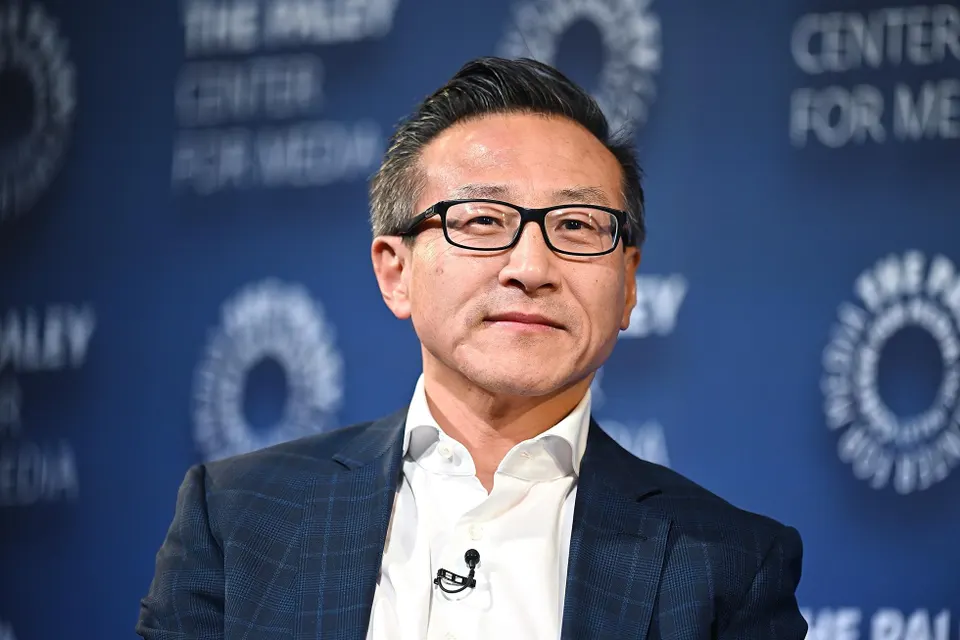
Estimated net worth: $13.7 billion
Joe Tsai co-founded Alibaba Group, one of the world’s largest e-commerce and technology companies. He first bought 49% of the Brooklyn Nets for $1 billion in April 2018, then completed the full acquisition, including the Barclays Center, for a total of $3.3 billion from Mikhail Prokhorov in September 2019.
Key Highlights
Tsai brought a global business perspective to the Nets that no previous owner had. His Alibaba background connects the franchise to international markets, particularly in Asia. The Nets’ brand recognition overseas has grown significantly under his tenure.
He also owns the New York Liberty of the WNBA and the San Diego Seals of the NLL. Tsai and his wife Clara Wu Tsai run a philanthropic foundation focused on criminal justice reform, education, and economic mobility. Despite a turbulent few seasons on the court following the Kevin Durant and Kyrie Irving departures, the franchise valuation sits at $6 billion, nearly double what Tsai paid.
7. Tony Ressler – Atlanta Hawks
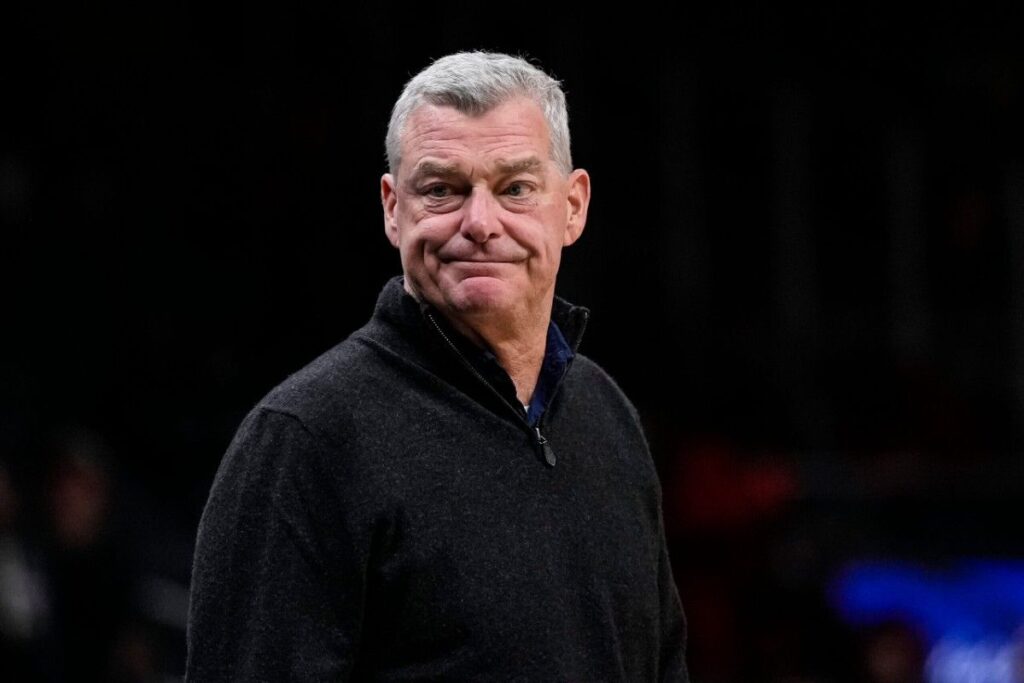
Estimated net worth: $13.5 billion
Tony Ressler’s wealth comes from two massive private equity firms he co-founded: Apollo Global Management in 1990 and Ares Management in 1997. He led an investor group that acquired the Atlanta Hawks for approximately $850 million in 2015.
Key Highlights
Under Ressler’s leadership, the Hawks underwent a major commercial overhaul. State Farm Arena received a $192.5 million renovation that modernized the fan experience, turning it into one of the most innovative venues in the NBA. The Hawks made a surprise run to the Eastern Conference Finals in 2021.
Here’s the thing about Ressler’s approach: he runs the Hawks like a private equity portfolio company. Disciplined spending, strategic capital improvements, and a focus on long-term franchise value growth. It’s corporate, sure. But the franchise is now worth roughly $4.9 billion, more than five times what Ressler’s group paid a decade ago.
8. Josh Harris – Philadelphia 76ers
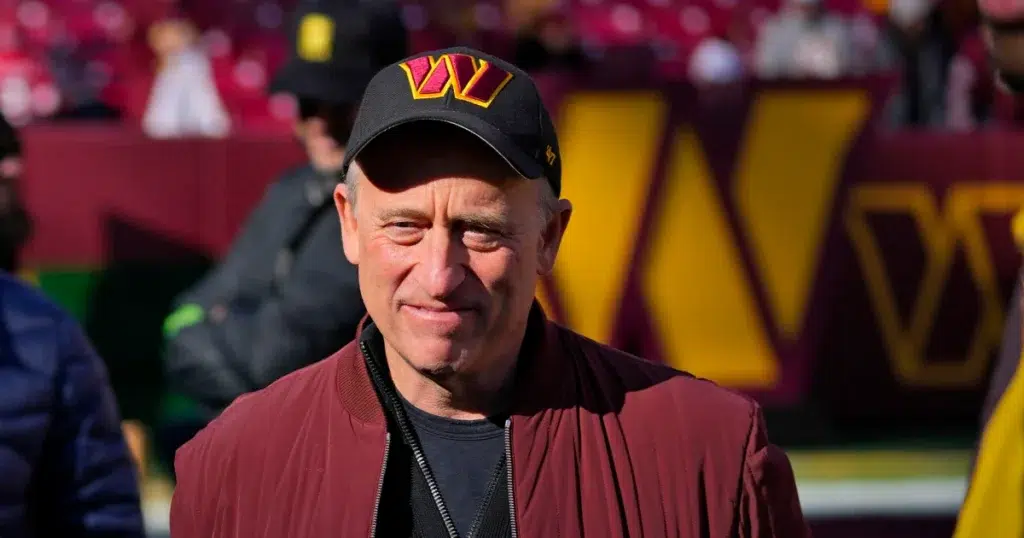
Estimated net worth: $11.3 billion
Josh Harris co-founded Apollo Global Management in 1990 alongside Leon Black and Marc Rowan. He and David Blitzer purchased the Philadelphia 76ers from Comcast Spectacor for just $280 million in 2011, during the early stages of the notorious “Trust the Process” rebuild.
Key Highlights
Harris is one of the most diversified sports owners in America. He sold his stake in the NHL’s New Jersey Devils and completed the purchase of the NFL’s Washington Commanders in 2023 for a record $6.05 billion. He also has a stake in Crystal Palace F.C. in England’s Premier League.
The 76ers have been a consistent playoff team under Harris’s ownership, though a championship has remained elusive. The franchise is now valued at $6.1 billion per CNBC’s 2026 rankings. That’s a return of over 2,000% on his original purchase price. Few investments in sports history can match that growth.
9. Tilman Fertitta – Houston Rockets
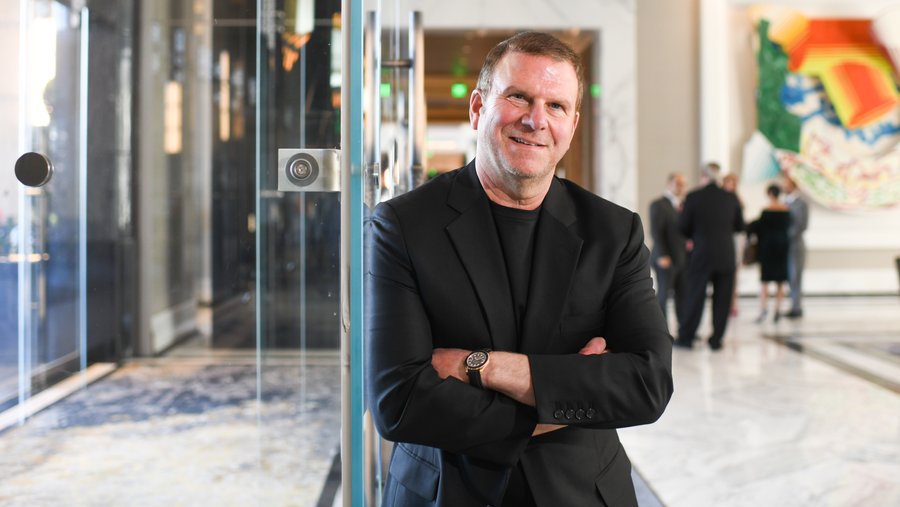
Estimated net worth: $10.6 billion
Tilman Fertitta is a hospitality mogul who owns Landry’s, Inc., one of the largest restaurant and entertainment companies in the United States. His portfolio includes Golden Nugget Hotels and Casinos, Bubba Gump Shrimp, Morton’s The Steakhouse, and dozens of other brands. He bought the Houston Rockets for $2.2 billion from Leslie Alexander in 2017.
Key Highlights
Fertitta brings a customer-experience mindset to the Rockets. Every game night feels like an extension of his restaurant and casino empire, with premium hospitality woven into the arena experience. He’s been called the richest restaurant owner in the world, and his hands-on management style carries over to basketball operations.
The Rockets are rebuilding around a young core after the James Harden era, and Fertitta has committed to a patient development approach. The franchise valuation has climbed to $6.35 billion, making it the sixth-most valuable team in the NBA. Fertitta also hosts the reality TV show “Billion Dollar Buyer,” which tracks his deal-making across his hospitality empire.
10. Micky Arison – Miami Heat
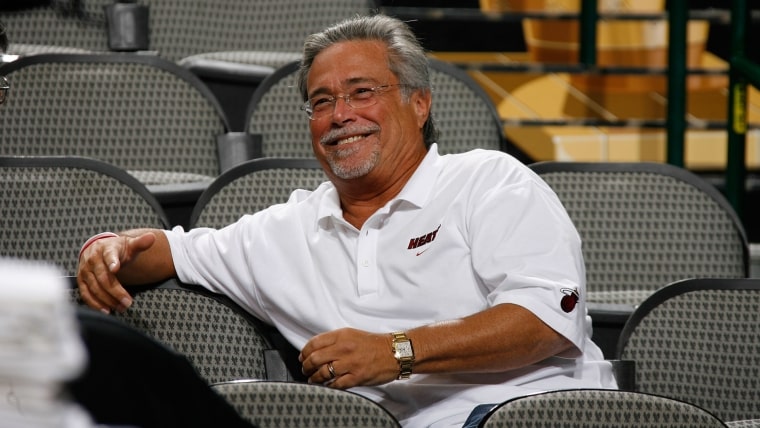
Estimated net worth: $10.1 billion
Micky Arison is the chairman of Carnival Corporation, the world’s largest cruise line operator. He bought the Miami Heat for a remarkably low $68 million from Billy Cunningham and Lewis Schaffel in February 1995. That might be the single best investment in NBA history.
Key Highlights
Under Arison’s ownership, the Heat have won three NBA championships (2006, 2012, 2013) and made six NBA Finals appearances. Pat Riley’s sustained excellence as team president has been the engine behind that success, but Arison deserves credit for staying out of the way and letting basketball people run basketball operations.
The franchise is now worth $6.05 billion, per CNBC. That’s a return of roughly 8,800% on his original purchase. Not bad for a guy who primarily runs cruise ships. Arison’s low-key ownership style is the polar opposite of Ballmer’s, but the results speak for themselves. Miami consistently competes for titles, attracts marquee free agents, and maintains one of the strongest organizational cultures in pro sports.
Why Are NBA Owners So Wealthy?
NBA owners don’t get rich from basketball. They get rich before basketball and then use their fortunes to buy into the league.
The industries behind these fortunes are wildly diverse:
| Industry | Notable Owners |
|---|---|
| Technology | Steve Ballmer (Microsoft), Robert Pera (Ubiquiti), Joseph Tsai (Alibaba) |
| Private Equity & Finance | Tony Ressler (Ares/Apollo), Josh Harris (Apollo) |
| Casino & Gaming | Miriam Adelson (Las Vegas Sands) |
| Real Estate & Mortgage | Dan Gilbert (Rocket Mortgage), Stan Kroenke (Kroenke Group) |
| Hospitality & Restaurants | Tilman Fertitta (Landry’s, Golden Nugget) |
| Cruise & Entertainment | Micky Arison (Carnival Corporation) |
Source: Forbes, Bloomberg
Tech billionaires dominate the upper tier. Ballmer, Pera, and Tsai all built their fortunes in technology before entering sports. Private equity executives like Ressler and Harris bring Wall Street discipline and a focus on asset appreciation. Casino and hospitality moguls like Adelson and Fertitta see natural synergies between entertainment and sports.
What they all share is scale. The NBA’s current entry price for ownership essentially requires a net worth in the billions. The days of buying a team for under $100 million are long gone.
How NBA Franchise Values Have Changed
The growth in NBA franchise valuations over the past decade has been staggering. Here’s how the average team value has shifted:
| Year | Average NBA Team Value |
|---|---|
| 2015 | $1.1 billion |
| 2018 | $1.65 billion |
| 2020 | $2.2 billion |
| 2023 | $3.85 billion |
| 2025 | $5.36 billion |
| 2026 | $5.4 billion |
Sources: Forbes, Statista, CNBC NBA Team Valuations
The primary driver behind this surge? Media rights money. The NBA’s new national media deal, which kicked in with the 2025-26 season, is worth $75.9 billion over 11 years per S&P Global. That’s 2.6 times the previous TV deal on an average annual basis.
Global fan growth, digital streaming expansion, and increased private equity investment in sports have also pushed valuations higher. Three NBA teams (Warriors, Knicks, Lakers) now carry valuations above $10 billion, and even the least valuable franchise (the Memphis Grizzlies) is worth $3.75 billion.
Mark Walter’s 2025 purchase of the Lakers for $10 billion set a new record for the most expensive U.S. professional sports franchise sale ever. These aren’t just basketball teams anymore. They’re media, entertainment, and real estate platforms.
Related Reads
Conclusion – Steve Ballmer’s $143 Billion Fortune Makes Him the Richest NBA Owner by a Country Mile
No one else is close. Ballmer’s net worth is roughly four times larger than the second-richest NBA owner, Miriam Adelson. His Microsoft stock alone generates over $1 billion in annual dividends. The gap between Ballmer and the rest of the field is wider than in any other major North American sports league.
What’s striking about this list is how dramatically the financial landscape of NBA ownership has shifted. The average franchise value has increased nearly fivefold since 2015, and the league’s $75.9 billion media deal ensures that trajectory continues. Owning an NBA team is no longer just a passion play for wealthy sports fans. It’s a legitimate investment vehicle that rivals traditional asset classes.
But here’s what I keep coming back to: wealth alone doesn’t win championships. Micky Arison ranks 10th on this list yet owns one of the most successful franchises in league history. The owners who build lasting legacies are the ones who combine financial resources with smart management, strong leadership, and a willingness to let basketball people make basketball decisions. The richest owner doesn’t always raise the trophy. The best-run organization does.